Article-Journal

A Porphyrin-Based Conjugated Polymer for Highly Efficient In Vitro and In Vivo Photothermal Therapy
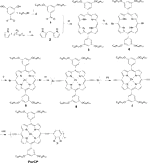
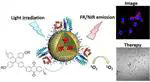
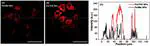
Conjugated polymers have been increasingly studied for photothermal therapy (PTT) because of their merits including large absorption coefficient, facile tuning of exciton energy dissipation through nonradiative decay, and good therapeutic efficacy. The high photothermal conversion efficiency (PCE) is the key to realize efficient PTT. Herein, a donor-acceptor (D-A) structured porphyrin-containing conjugated polymer (PorCP) is reported for efficient PTT in vitro and in vivo. The D-A structure introduces intramolecular charge transfer along the backbone, resulting in redshifted Q band, broadened absorption, and increased extinction coefficient as compared to the state-of-art porphyrin-based photothermal reagent. Through nanoencapsulation, the dense packing of a large number of PorCP molecules in a single nanoparticle (NP) leads to favorable nonradiative decay, good photostability, and high extinction coefficient of 4.23 �� 104 m-1 cm-1 at 800 nm based on porphyrin molar concentration and the highest PCE of 63.8% among conjugated polymer NPs. With the aid of coloaded fluorescent conjugated polymer, the cellular uptake and distribution of the PorCP in vitro can be clearly visualized, which also shows effective photothermal tumor ablation in vitro and in vivo. This research indicates a new design route of conjugated polymer-based photothermal therapeutic materials for potential personalized theranostic nanomedicine.
A Porphyrin-Based Conjugated Polymer for Highly Efficient In Vitro and In Vivo Photothermal Therapy
Light-responsive AIE nanoparticles with cytosolic drug release to overcome drug resistance in cancer cells
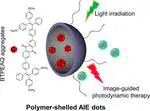
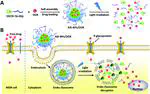
The acquisition of resistance to chemotherapy is a major hurdle for successful cancer therapy. Herein, a new light-responsive drug delivery nanoparticle system is developed to overcome doxorubicin (DOX) resistance in breast cancer cells. The nanoparticles with high drug loading capacity are self-assembled from an amphiphilic polymer which is composed of a hydrophobic photosensitizer (PS) with aggregation-induced emission (AIE) characteristics and a biocompatible and hydrophilic poly(ethylene glycol) (PEG) conjugated via a reactive oxygen species (ROS) cleavable thioketal (TK) linker. The AIE PS makes the nanoparticles visible for high-quality imaging and capable of generating ROS upon light irradiation. When exposed to white light irradiation, the ROS generated from the PS could not only induce the endo-lysosomal membrane rupture, but also break the nanoparticles. This results in facilitated endo-lysosomal escape and triggered cytosol release of DOX, which can significantly improve intracellular DOX accumulation and retention in drug resistant MDA-MB-231 breast cancer cells. With light irradiation, the drug loaded nanoparticles can significantly inhibit the growth of DOX-resistant MDA-MB-231 cells. These results reveal that AIEgen based nanoparticles offer a potentially effective approach to overcome drug resistance in cancer cells.
Light-responsive AIE nanoparticles with cytosolic drug release to overcome drug resistance in cancer cells