Article-Journal

Molecularly specific detection towards trace nitrogen dioxide by utilizing Schottky-junction-based Gas Sensor
Trace NO2 detection is essential for the production and life, where the sensing strategy is appropriate for rapid detection but lacks molecular specificity. This investigation proposes a sensing mechanism dominated by surface-scattering to achieve the molecularly-specific detection. Two-dimensional Bi2O2Se is firstly fabricated into a Schottky-junction-based gas-sensor. Applied with an alternating excitation, the sensor simultaneously outputs multiple response signals (i.e., resistance, reactance, and the impedance angle). Their response times are shorter than 200 s at room temperature. In NO2 sensing, these responses present the detection limit in ppt range and the sensitivity is up to 16.8 %·ppb−1. This NO2 sensitivity presents orders of magnitude higher than those of the common gases within the exhaled breath. The impedance angle is involved in the principle component analysis together with the other two sensing signals. Twelve kinds of typical gases containing NO2 are acquired with molecular characteristics. The change in dipole moment of the target molecule adsorbed is demonstrated to correlate with the impedance angle via surface scattering. The proposed mechanism is confirmed to output ultra-sensitive sensing responses with the molecular characteristic.
Molecularly specific detection towards trace nitrogen dioxide by utilizing Schottky-junction-based Gas Sensor
Myeloperoxidase-Sensitive T1 and T2 Switchable MR Imaging for Diagnosis of Nonalcoholic Steatohepatitis
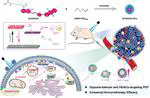
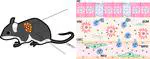
Nonalcoholic steatohepatitis (NASH) is the critical stage in the development of nonalcoholic fatty liver disease (NAFLD) from simple and reversible steatosis to irreversible cirrhosis and even hepatocellular carcinoma (HCC). Thus, the diagnosis of NASH is important for preventing the progress of NAFLD into a fatal condition. The oxidative enzyme myeloperoxidase (MPO), which is mostly produced by polymorphonuclear neutrophil granulocytes (NEU), has been identified as a key player in lipid peroxidation in inflamed tissues. Considering that the expression of MPO was much higher in NASH than in the nonalcoholic fatty liver (NAFL) with steatosis, we designed a nanoparticle platform based on ultrasmall iron oxide (USIO) nanoparticles to realize MPO-sensitive NASH diagnosis. After modification of USIO nanoparticles with amphiphilic poly(ethylene glycol) (PEG) and conjugation with 5-hydroxytryptamine (5HT), a physiological substrate for MPO, the final nanocomposite (USIO-DA-PEG-5HT) revealed MPO-mediated aggregation at the inflammatory site of NASH. Meanwhile, the intrinsic T1-weighted magnetic resonance (MR) signal of dispersed USIO-DA-PEG-5HT nanoparticles diminishes, while the T2-weighted MR signal is amplified owing to the aggregation effect. These USIO-DA-PEG-5HT nanoprobes offer great potential for improving NASH MR imaging diagnostic accuracy and sensitivity compared to existing molecular MR contrast agents with a single imaging modality.
Myeloperoxidase-Sensitive T1 and T2 Switchable MR Imaging for Diagnosis of Nonalcoholic Steatohepatitis